VIDEO

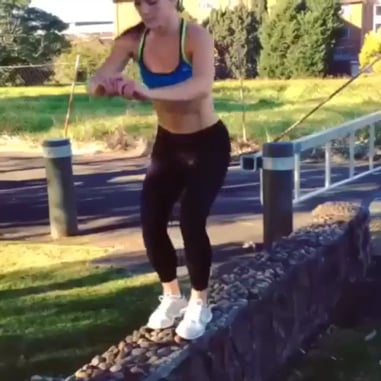
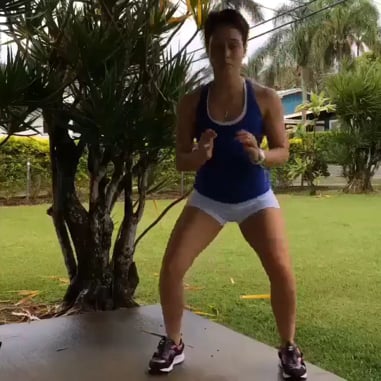
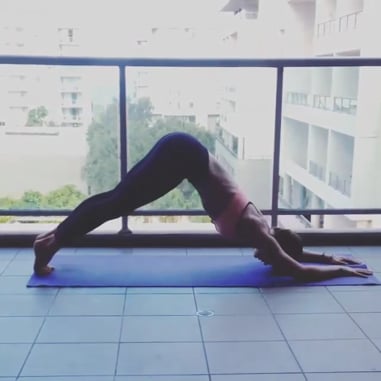
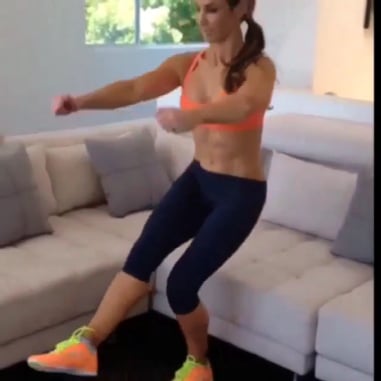
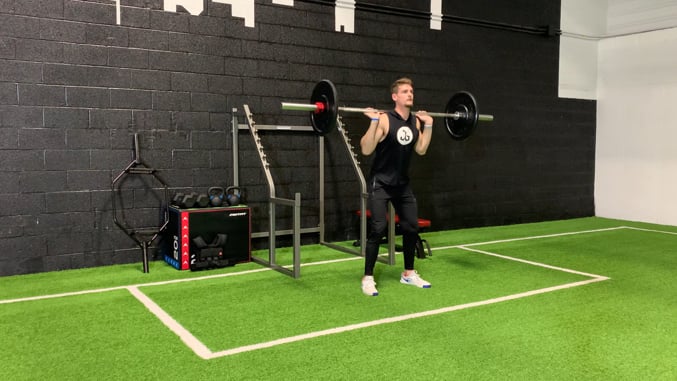
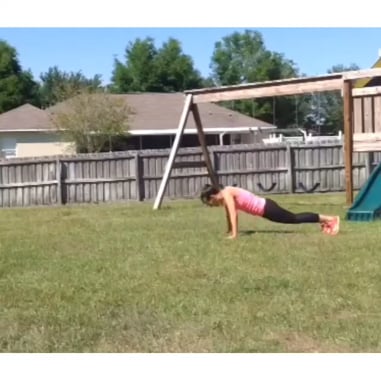
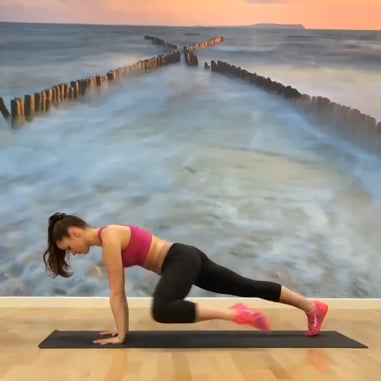
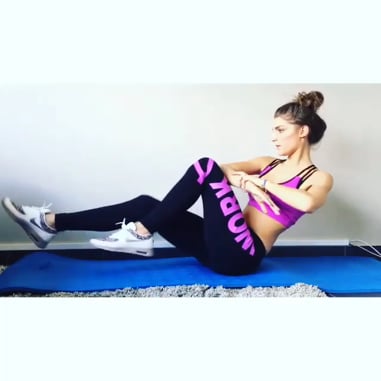
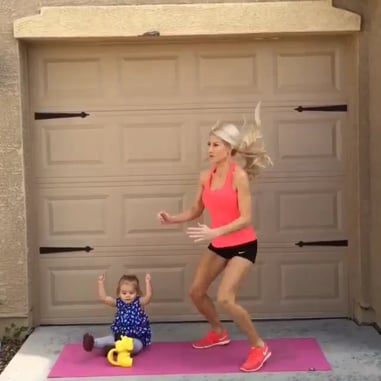
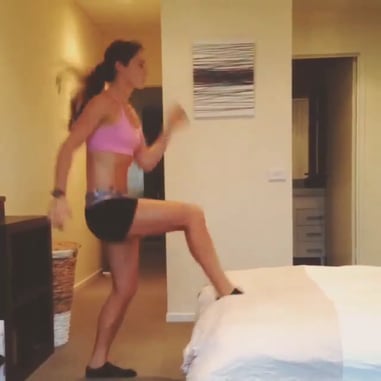
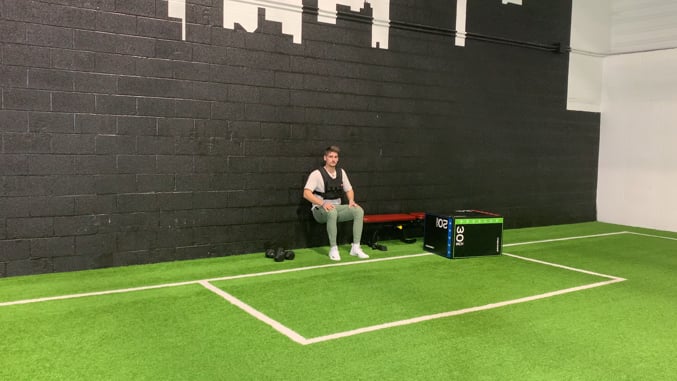
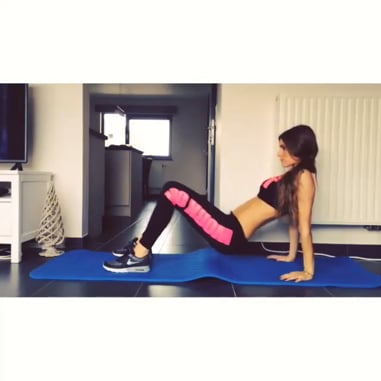
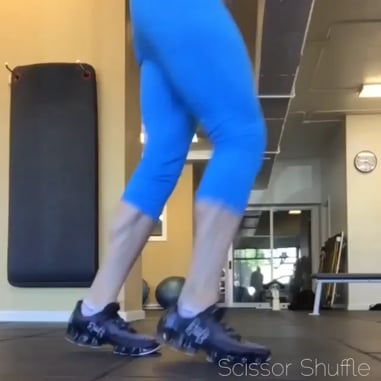
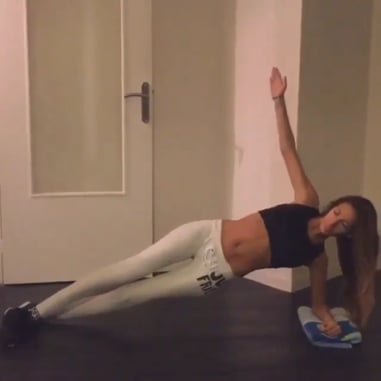
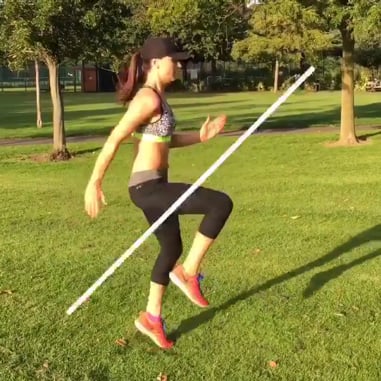
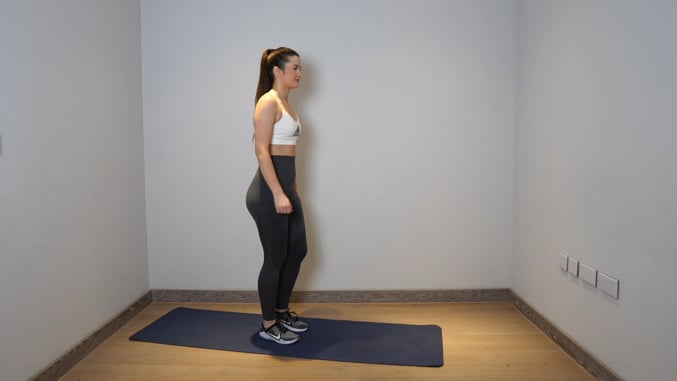
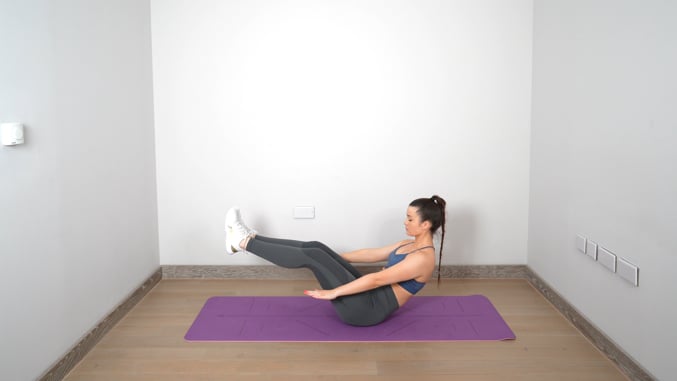
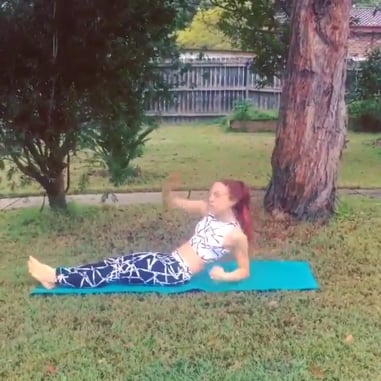
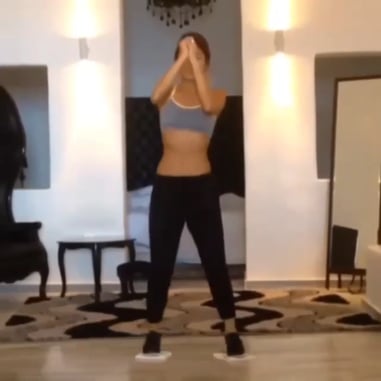
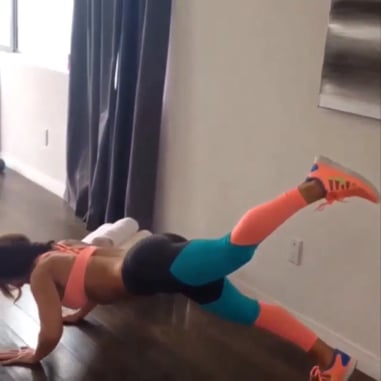
Bench Jump Variation, Plank Crunches Variation, Mountain Climbers, Squat Jumps, Reverse Plank Knee Tuck Variation
  • Core
  • Arms
  • Legs
  • Abs
  • Gluteus
  • Calves
Level:Intermediate
Trainer:
Equipment:Bench
Bench Jump Variation, Plank Crunches Variation, Mountain Climbers, Squat Jumps, Reverse Plank Knee Tuck Variation
  • Core
  • Arms
  • Legs
  • Abs
  • Gluteus
  • Calves
Level:Intermediate
Trainer:
Equipment:Bench

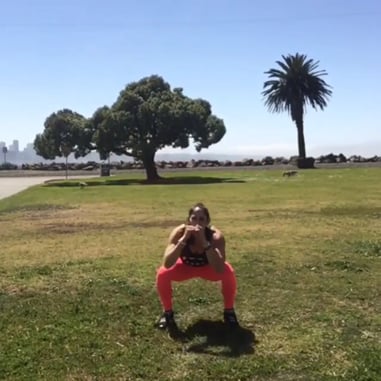
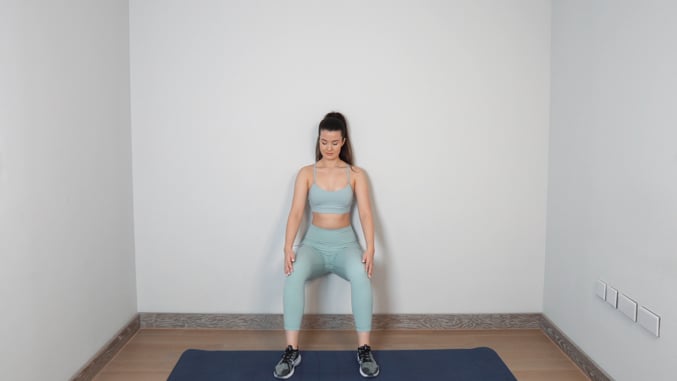
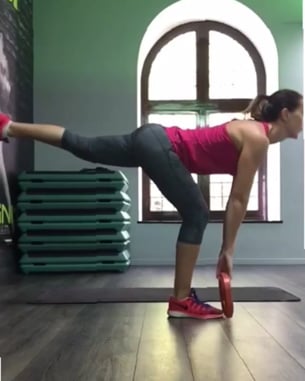
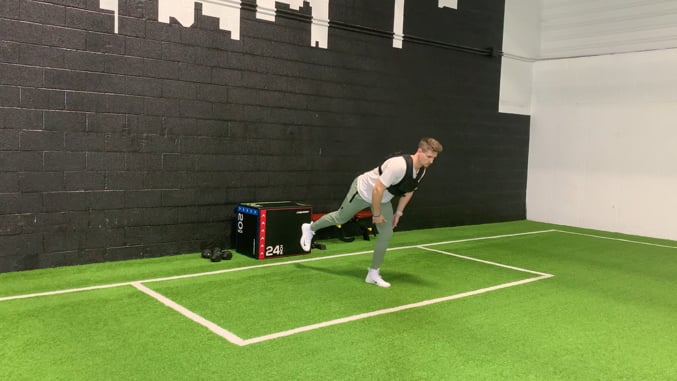
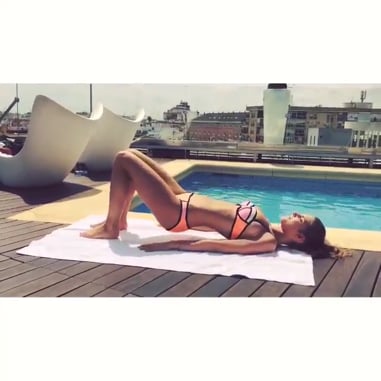
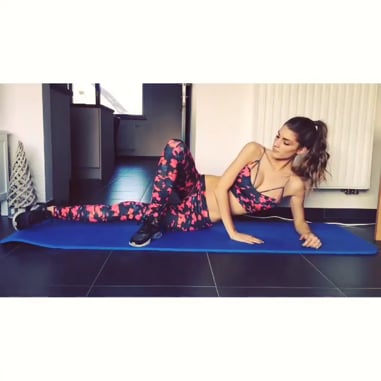
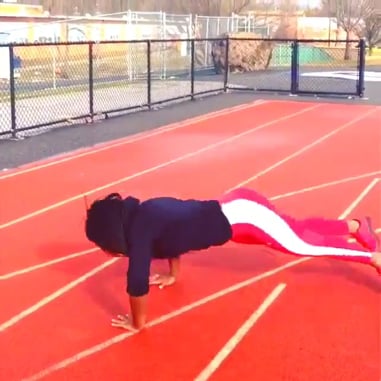
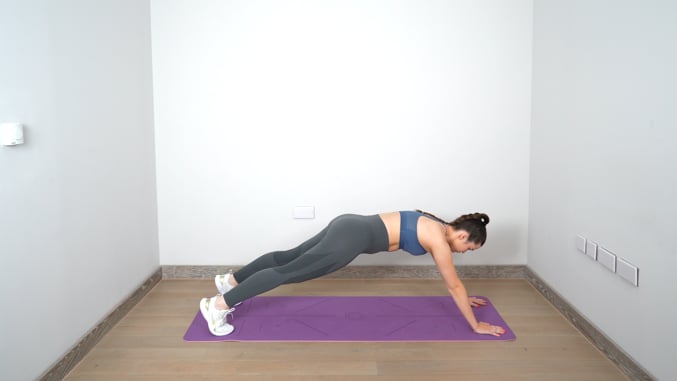
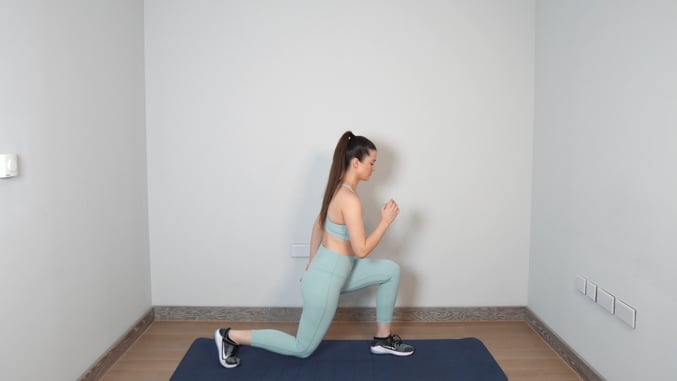
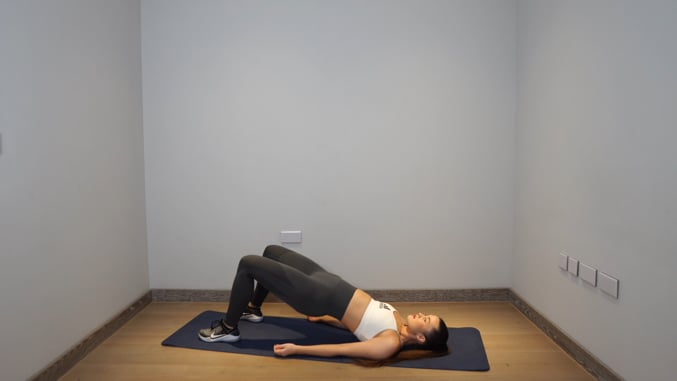
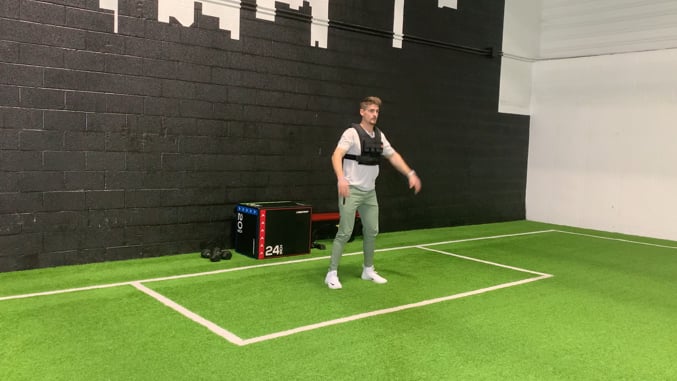
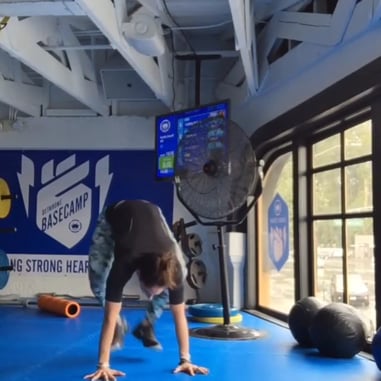
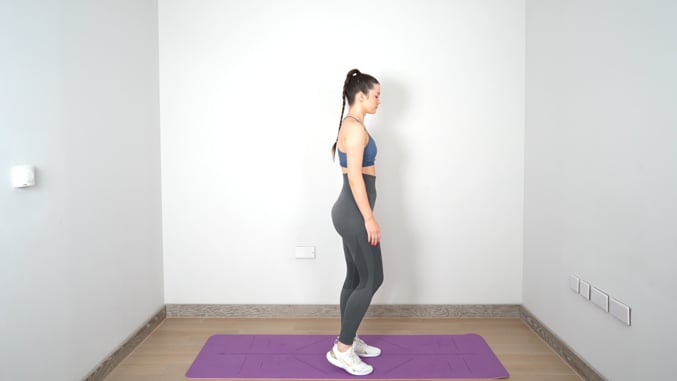
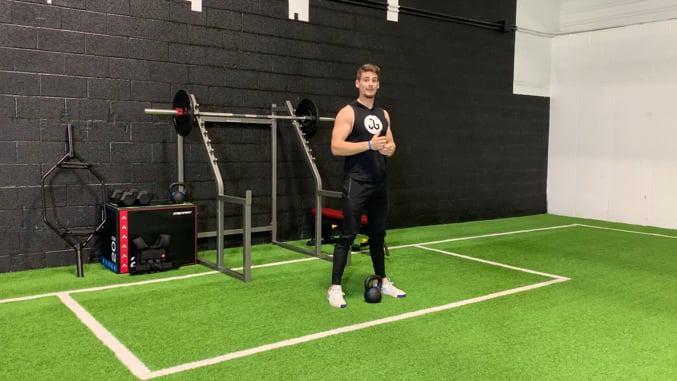
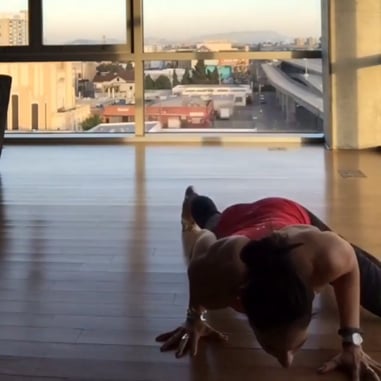
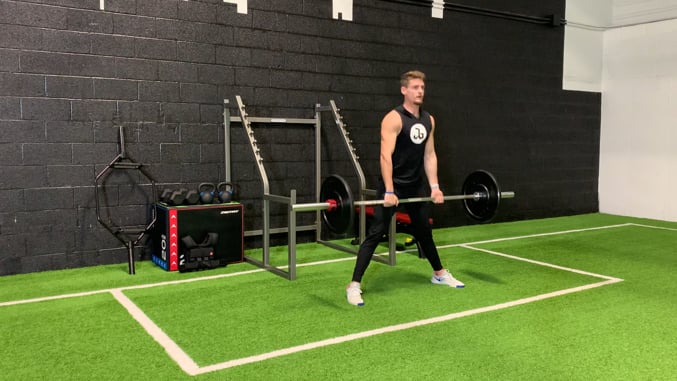
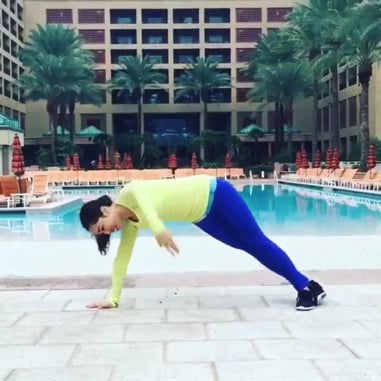
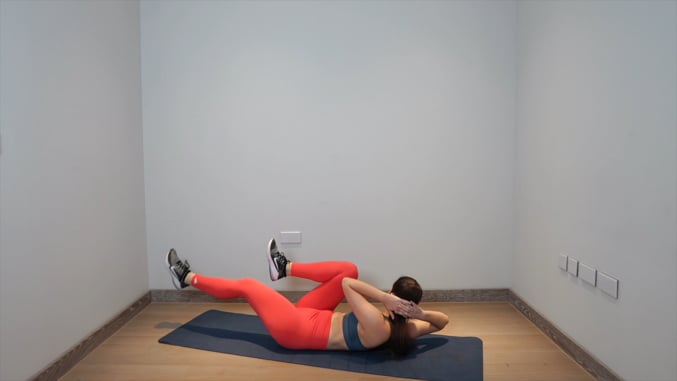
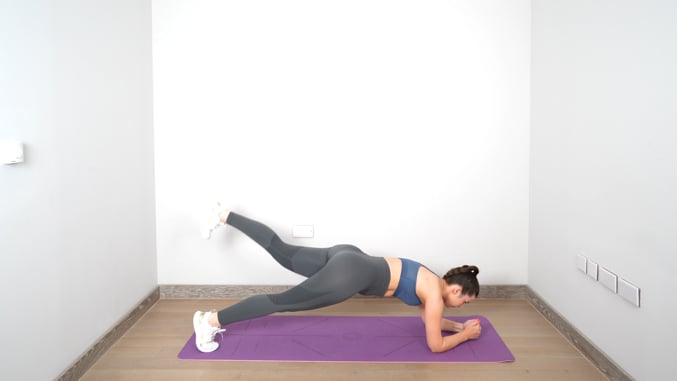
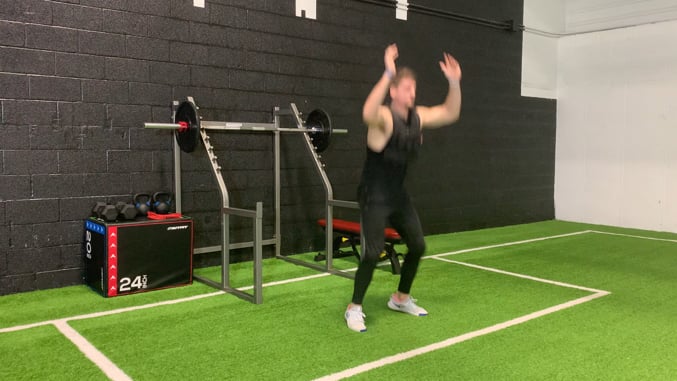
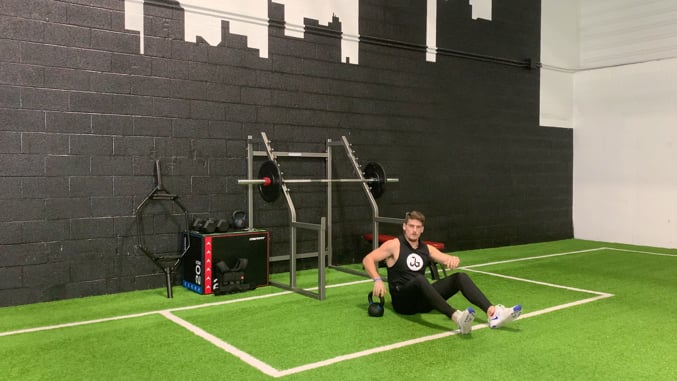
1.Stand over a bench with your feet on the opposite sides. Make a jump so that both your feet are on the bench together. Continue making jacks over and off the bench for the desired amount of repetitions. 2.Get into a plank position with your feet on a bench. Get your knee high to your chest in the direction to the opposite elbow. Repeat with the other knee. 3.Stand on your knees and hands (tabletop position). Begin to bring your knee under the chest, switching the legs each time. 4.Stand with your feet shoulder wide and knees slightly bend. Bend your knees and squat down engaging gluteus, quads, and hamstrings to push the body up and off the floor. 5.Get into a tabletop position with your feet on the ground and your palms facing your body. Start raising each leg alternating them.

save to ...

Blog

In the initial stages of training, while people focus on working the chest, arms, and back, the calf muscles are often neglected. As a result, exercises to strengthen the calves are delayed or rarely performed, resulting in a lack of progress. The calf muscles, like the deeper muscles of the back, get little rest during the day because they must support the weight of the body, help maintain balance, and stabilize the joints when walking. This means it is at a lower level of development and the approach to working with it should be different. Thus, we decided to share some exercises for strengthening your calves. Let’s check them out. Calf 45 Of all the exercises intended to develop the calf muscles, this exercise is one of the most challenging. It involves changing the angle of the legs, which involves not only the calves but also the soleus muscles. To perform this exercise, you will need the Gackenschmidt's Machine. Depending on the design, you will stand in front of it or not. Set an appropriate working weight. This is calculated as the arithmetic mean of the working weights from the previous two exercises. Then adjust the weights according to the load. Then lower the heel and stretch the calf as much as possible. Lift with the toes. Hold under extreme tension for 1-2 seconds. Dumbbell Calf Raises This exercise is designed for all levels of athletes and is considered a basic exercise to build calf muscles. Start with standing on a wooden block. You can do this in Smith by placing a step platform under your feet and placing a barbell on your shoulders. Hold your body in a straight position. If you need extra weight, you should take dumbbells or kettlebells. Next, lower your heels under the bar and stretch your ankles as much as possible. Stand up on your toes in a powerful impulsive movement. Hold this position for 1-2 seconds and pull your calves up. Slowly lower yourself back to the starting position. Squat Calf Raises This exercise is great for lazy workouts and will be a great option for beginners. Sit on the seat of the training machine. Place your toes on the support step. Bringing your heels down to the floor as far as possible, lower the lever with the soft stop to your knee and lock it. Leg Press Lie down on a leg press machine. Find a platform where your legs are straight. Fix the speed. You only need to do two movements. Removing the platform from your foot, squeeze it with your toes. Return your toes to their original position. It is important to know that posture has a much greater impact on the development of the shin and calf muscles than movement. Flat feet, if not taken into account and compensated for, can also prevent the shaping of the calves. To improve the calves without exercising, the selection of the proper footwear and a corrected gait is necessary. Well-trained calves will help you perform certain exercises better as well as make your legs look great. So take another look at these exercises and be sure to try them next time.
Read more
The pectoralis major muscle is one of the most difficult muscles to train, but it can be trained. In this article, we will look at the pectoralis major muscle and how to train it. The development of the chest muscle is an indicator of how hard you are working on your body. This muscle group is one of the largest and most complex muscles in the human body. A good workout requires a combination of basic and isolation exercises. This is the only way to make your muscles perfect. Exercises with barbells are good for building muscle mass, while exercises with dumbbells and equipment are good for improving form and detail. It is not advisable to use very heavyweights in the beginning. It is much better to get a feel for the muscles needed when working the chest, arms, and shoulders. For example, classic push-ups from the floor will help you feel the pectoral muscles and understand how they work. For proper training, you should use different chest dumbbell exercises to work the muscles from different angles. Dumbbell Bench Press Place dumbbells next to your arms. Start by getting into the correct posture. Press the back of your neck, back, and pelvis against the bench. Press your heels to the floor and open your legs 60 degrees. Once you have learned this posture, sit down and take a dumbbell and place it on your lap. Lie down and pull the dumbbells up to your chest. Keep the dumbbells parallel, extending the arms at a slight angle to your elbows. Lower the weights gently and begin the chest exercise by moving your elbows up and down. When you feel your pectoral muscles stretch, return your arms to the position you started from. Hammer Start in the correct posture. Sit on the edge of the bench and place the dumbbells on knees. Lie down so that the back of your head, back, and buttocks are pressed firmly against the bench. At the same time, shift weight from your hips to your chest. Lift arms in front of you, maintaining a 90-degree angle. Place your palms so they face each other and bend your elbows slightly. Inhale when bending your arms and pulling the dumbbells toward your chest. As you exhale, relax the hips and focus on tensing your pectoral muscles. Repeat. It is important to concentrate on your pectoral muscles because the 'hammer' puts extra tension on your triceps. This exercise is performed slowly and requires a lot of concentration. This exercise is ideal for beginners or players recovering from chest, shoulder, or elbow injuries. Dumbbell Press Lie on a bench so that your neck, shoulders, and hips are in close contact with the surface of the chair. Make the feet close to the floor, holding a dumbbell in each hand at chest level, one hand on the other. Secure the dumbbells behind your head, concentrating on stretching your pectoral muscles. This only works the shoulders. Apply maximum tension on the lower amplitude and return the arms in the same trajectory. Since this dumbbell chest exercise is a supplemental exercise, it makes sense to mix it up with the basic exercises. It also stretches the pectoral muscles and helps to shape the chest. Make sure your head is supported in this position.If not, you may injure your neck muscles or cause nerve compression. Work with dumbbells smoothly and avoid sudden jerks or extreme weights. Also, remember that while warming up before a workout can help build endurance and recovery, it should not be relied upon exclusively. Proper sleep and nutrition are the most important factors in achieving gym results. Chest exercises can help improve your sense of security and overall health, so be sure to at least train these muscles.
Read more
The quadriceps is a large and strong muscle that acts as the primary extensor of the knee joint. Because the knee joint carries most of the body's weight, the quadriceps is the main muscle of the lower thigh. Weakness of this muscle, in fact, would simply make it impossible for people to maintain an upright posture. Quads are made up of the four coronary muscles: the straight, inner, outer, and middle muscles. In spite of this, during various exercises, the load falls completely on this muscle. Sure, strengthening your quads is important, so let's give a quick look at a few of the best exercises for them. Barbell and Dumbbell Lunging You can do lunges in many different ways. You can do this either with a barbell, or dumbbells, while walking around the gym, or from a stand-up position. Let's consider a variation where the athlete stands in a position using a barbell or dumbbell. This position is similar to the squat position with a barbell on your back. Take a step forward with your right foot. The lunge should make the thigh of the working leg to be parallel to the ground at the low point. Simultaneously, the knee of the left leg almost touches the floor, also forming a 90-degree angle. Back to the previous position. Change legs - take a step forward with your left leg. Leg Press The leg press takes as much of the work out of your back and hips as possible. At the same time, it allows you to train with a much heavier weight than a deep squat. In order to place the load on your quads, your feet should be shoulder-width apart while doing the leg press. Just follow the right workout technique. Press your back and head firmly against the bench, with your legs almost completely straight and resting on the frame and your hands firmly gripping the handles. Bending the knees, form a straight angle between the thighs and calves. Lower the legs back to the previous position. Single-Leg Squat Make single-leg squats if you can't go to the gym to train with training machines. It is a perfect way to get your quads workout done. Because it allows you to load your legs without using extra weight. Start in a standing position, extending one leg slightly forward. While squatting down, extend the leg forward and straighten it. Get back to the previous position. Repeat at least 10 times for each leg. Kick Squat Standing with feet shoulder-width apart and toes slightly to the side, place your hands at your waist or cradle them in front of your chest. Focus on the center of your feet. Squat down horizontally at the hips, remembering to keep your back straight. Stand up shifting your weight to one side. Lift your knee to a horizontal position and make a kick with your foot. The kick should be done in one movement. Squats With Fitness Ball Position your feet a little wider than shoulder-width apart with your toes out to the sides at a 45-degree angle. Grasp the fitness ball, keeping a tense and natural bend at the waist, straight shoulders, and neck. Holding the exercise ball, raise your arms up to shoulder height. As you inhale, begin to bend your knees to your sides, making sure they don't stick out past your toes. Your hips should go down first. Your weight is on your heels. Bring your back slightly forward as you squat down and extend your arms to lift the exercise ball over your head. Perform 30-50 repetitions. Final Thoughts Every person dreams of having beautiful legs, and luckily, getting great quads isn't that hard if you know what to do. So why don't you try these exercises?
Read more
Believe it or not, wrist muscles are extremely important. In fact, developed wrist muscles allow you to correctly do such exercises as planks, push-ups, handstands, as well as various workouts with dumbbells. In other words, most sports require strong wrists, and if you want to succeed in gymnastics, martial arts, CrossFit, or climbing, you have to make sure you have strong wrist muscles. But how to achieve that? Let's talk about wrist muscles and how to develop them in more detail. Why are wrist muscles so important? Not many people know about the importance of wrist muscles, yet strong wrists are significant in fitness and many other sports. The thing is that developed wrists and joint mobility are significant for avoiding injuries. For example, such sports as tennis, volleyball, CrossFit, boxing, gymnastics, archery, basketball, canoe, and even bowling have a rather serious load on the hands and wrists. Therefore, one wrong move can cause significant damage to the muscles and tendons of your wrists and hands. At the same time, developed and stretched muscles lower the chances of getting severely injured or injured at all. So this is the main reason why working on wrist muscles is so important for pretty much everyone. Do I need to develop wrist muscles if I don’t do any sports? Of course, now many of you can come to the conclusion that they do not have to work on their wrists because they don’t do any sports or do those sports that do not require strong wrists. Well, this is, obviously, not true. Perhaps everybody needs to work on their wrists, especially people who work long hours on the computers. The thing is typing and mouse clicking is not particularly good for the health of our wrists because of the positions of our hands during those activities. Moreover, some people even struggle with carpal tunnel syndrome, which is often caused by typing. However, typing is not the only thing that can cause this syndrome. Pianists, guitarists, as well as other people whose work involves repetitive movements of the wrist, are in the risk group. Certainly, this is a rather unpleasant disease but you can lower the chances of getting it by regular exercising. So the answer to this question is: yes, you do need to work on your wrist muscles even though you don’t do any sports. Best workouts for wrists Now as we know how important it is to work on your wrist muscles, let us take a brief look at the best exercises for developing these muscles. So here they come: Dumbbell rows Holding dumbbells Wrist stretching Hand rotation with dumbbells Tennis ball squeeze These simple exercises will help you strengthen your wrists and hands and therefore help you maintain your wrist health, so make sure to give them a try. Final thoughts As you can see, strong wrists are not only important for athletes, but also for regular office workers, musicians, and pretty much everyone. So why don’t you start working on your wrists now?
Read more
Did you know that the deltoid muscle is composed of three parts? Therefore, in order to train more effectively, we need to pay attention to each of them. By doing so, harmonious development of the deltoid muscle is possible. Therefore, the goal is to perform special exercises so that the function of each ligament of the deltoid muscle is involved during training. If you want to strengthen your deltoid muscles, you need to train them regularly, so we recommend that you do these exercises for the deltoid muscles Side Dumbbells If you want to develop the posterior deltoids in your shoulders, this is a great exercise to do. It not only works with the deltoids but also the obliques.Hold the dumbbells with a neutral grip and perform bending forward a little keeping your back straight, at this time the dumbbells should be raised to the level of your ears. Front Pull-Up This exercise is great for training the upper body and abdominal obliques.In a seated position, hold a dumbbell in each hand. Lower your arms. Next, raise the dumbbells so that they are parallel to the floor. As you do so, keep your arms straight. When they reach shoulder height, stop. Lower the dumbbells in the same manner. Do the same with the other arm. Lifting to the Side Experts recommend performing these exercises to effectively train the outer deltoid muscles. The effectiveness of your training depends on proper practice, so follow these instructions exactly. Hold a dumbbell in each hand and stand up straight. Now slowly lift the dumbbells. When the dumbbells reach shoulder height, hold them there. Then lower the hands slowly and return to the position from the start. Bench Press Place the barbell on your chest and bring your elbows forward while tensing your abs, glutes, and legs. Repeat lifting and lowering the barbell, then lifting and lowering again.Do not lift as the bar passes over your face, but lower it toward you for optimal trajectory.If the bar remains in front of you instead of over your body at the apex, you will increase the load on your lower back. Try lifting the bar behind your head. Perform 3-5 sets of 6-8 movements each. Free Arm Pushups The exercise itself is a repetition of a smaller range of push-ups with the barbell raised.Stand in an inverted position with your feet against the wall. Bend your elbows to lower your body and place your head on the floor. Lower your head backward and repeat. Be careful when lowering your head to the floor (any unintentional movement can injure your neck).Placing a blanket or thick book under your head will make the exercise more effective.To make it more difficult, place some kind of solid support under your arms. The more reps you do in a set, the better. Perform 3-5 sets, depending on your mood. Developing your deltoid muscles will improve your athleticism and give you a beautiful body, so if you dream of a beautiful body, please do these exercises.
Read more